
The Neglected Gem of Equipment Auctions
When many buyers go to used equipment auctions, they are frequently attracted to substantial machinery like CNC machines, robotic arms, or complete production lines. Although these investments are certainly valuable, a more subdued transformation is occurring: the growing significance of precision inspection systems.
In sectors where quality, safety, and adherence to regulations are essential—like food & beverage, pharmaceuticals, automotive, electronics, and semiconductors—inspection systems serve as the foundation of effective production. Whether it’s a visual inspection system guaranteeing zero defects in microchips or an X-ray scanner confirming packaging integrity in pharmaceuticals, these technologies are not merely supportive tools—they are transformative.
Companies are increasingly finding that purchasing inspection systems at used equipment auctions provides remarkable return on investment (ROI). This article examines the reasons inspection technology is prominent, the kinds of systems that prevail in auctions, and how companies can take advantage of these prospects. For more information on upcoming auctions, visit Greenbidz.
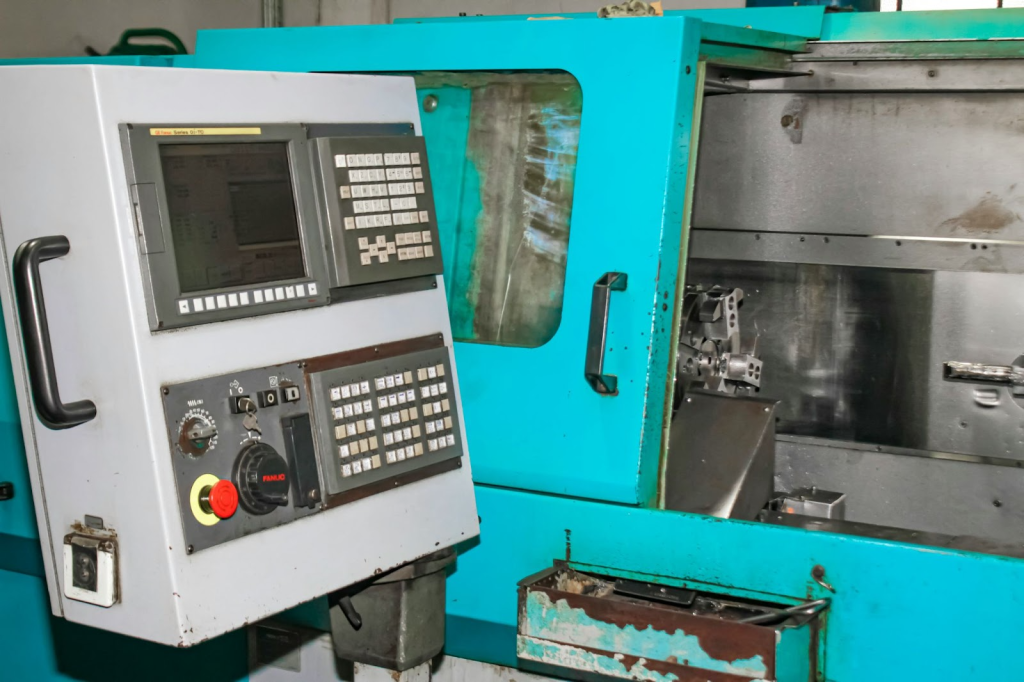
Inspection systems are becoming the hidden drivers of efficiency and compliance in modern factories
The Critical Significance of Evaluation Systems
Inspection systems go beyond merely recognizing faulty products; they embody an all-encompassing approach for:
- Safeguarding Brand Image – One batch of faulty products can damage customer confidence. Inspection systems identify mistakes prior to products being placed on shelves.
- Guaranteeing Compliance – Regulatory standards in the pharmaceutical, aerospace, and automotive industries allow no margin for mistakes. Automated checks lower compliance risks.
- Enhancing Productivity – By automating quality inspections, manufacturing lines can operate more quickly with reduced interruptions.
- Minimizing Waste – Identifying flaws sooner results in decreased material waste later in the process.
When viewed in this light, an inspection system is not an optional feature—it is a vital asset for safeguarding profits.
Typical Auction Types of Precision Inspection Systems
The type of inspection technologies you’ll come across will vary depending on the auction’s industry specialization. Some of the more useful categories are shown below:
- AOI, or Automated Optical Inspection
- Uses: Semiconductors, electronics, and vehicle parts.
- Function: Defects like misaligned parts, soldering errors, or cracks are detected by high-resolution cameras and AI software.
- Auction Advantage: Even after years of operation, AOI machines from well-known companies (such as Koh Young and Mirtec) frequently continue to operate well.
- Coordinate Measuring Machines (CMMs):
- Applications: Precision engineering, automotive, and aerospace.
- Function: Accurately measures 3D geometries down to the micron level.
- Auction Advantage: Even in secondhand markets, brands like Zeiss, Hexagon, and Mitutoyo are still in demand.
- Use of CT and X-ray Inspection Systems:
- Applications: Medical devices, medications, and food safety.
- Purpose: Non-destructive internal inspection to find impurities, gaps, or structural problems that are not evident to the human eye.
- Auction Advantage: Used purchases are particularly alluring due to their high upfront expenses.
- Use of Vision Inspection Systems:
- Applications: Verification of assembly, labeling, and packaging.
- Function: Cameras are used to identify defective barcodes, misplaced labels, and improper seals.
- Auction Advantage: Reduces downtime by integrating quickly into current production lines.
- Applications of Eddy Current and Ultrasonic Systems:
Applications: Aerospace components, metal fabrication.- Function: Non-destructive testing for weld integrity, porosity, and fractures.
- Auction Advantage: Often utilized in safety-critical sectors for compliance.
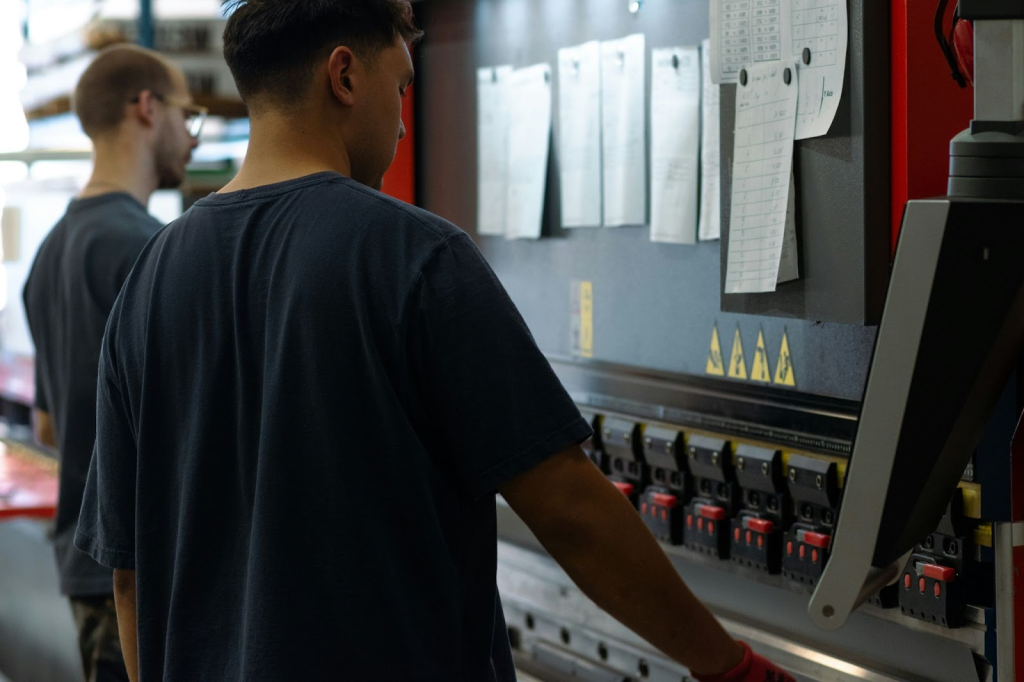
Used precision inspection equipment, like AOI or CMM systems, remains in high demand at auctions.
Example from the Real World: How Auctions Unlock ROI
Consider a medium-sized pharmaceutical company looking to enhance quality assurance. The approximate cost of a new X-ray inspection system is $250,000. The same type, which is three years old and factory maintained, sells for $95,000 in a secondhand equipment auction. The solution prevents one significant compliance penalty, increases overall throughput by 12%, and decreases rejected batches by 40% in a year. The ROI is instantaneous, demonstrating why the best way to purchase such equipment is through auctions. Check out Greenbidz for similar opportunities.
Important Things to Look for When Purchasing Inspection Systems at Auction
- Records of Condition and Maintenance
- Software, calibration, and sensitive optics are essential components of inspection systems. Request maintenance logs from buyers.
- Check for the history of calibration.
- Verify the transferability of proprietary software licenses.
- Harmony with Current Lines
- Retrofitting an AOI machine that doesn’t work with your conveyor system can be expensive. Always make sure:
- Interface standards (such as OPC UA and Ethernet/IP)
- Layout and physical footprint
- Retrofitting an AOI machine that doesn’t work with your conveyor system can be expensive. Always make sure:
- Requirements for Regulation
- Equipment used in sectors such as pharmaceutical and food must adhere to FDA, EU, or ISO standards. The system should support the necessary validation protocols even if it was bought used.
- Technical Assistance and Spare Parts
- It could be difficult to get replacement parts for older versions. Legacy equipment is still supported by a large number of OEMs and outside service providers, nonetheless.
- Transparency of Auction Houses
- Reputable auctioneers offer thorough photographs, chances for examination, and occasionally even in-person demonstrations. Give clear technical documentation auctions priority.
Technology’s Place in Contemporary Auctions
The auction process is becoming more accessible and transparent thanks to technology. Features like 3D Virtual Inspections allow buyers to remotely inspect machinery in great detail.
- You can participate in live streaming auctions from anywhere in the world.
- Algorithms that calculate fair market value are known as AI-Powered Valuations.
- Global buyers can now more easily and confidently purchase high-value inspection systems without having to be present thanks to this change.
Long-Term Advantages of Inspection System Ownership
- Higher Quality Requirements
- Inspection systems ensure fewer warranty claims and customer complaints by raising the bar for quality once they are adopted.
- The Ability to Scale
- Businesses may increase production while keeping quality constant thanks to these systems.
- Information-Based Perspectives
- Managers can improve operations by using the useful production data that is frequently gathered by modern inspection technology.
- Distinguishing Oneself Competitively
- Having strong inspection systems can be a marketing advantage in highly competitive industries by demonstrating dependability and safety.
Future Trends: Where Inspection Systems Are Headed
The future of inspection technology is even more promising, with innovations such as:
- AI and Machine Learning Integration – Smarter defect detection that improves over time.
- IoT Connectivity – Systems that communicate across production lines for predictive maintenance.
- Robotics Integration – Autonomous inspection units capable of adapting to new tasks.
- Green Manufacturing Compatibility – Detecting defects early reduces waste and energy consumption, aligning with ESG goals.
These trends suggest that owning inspection technology today prepares businesses for tomorrow’s industrial standards.
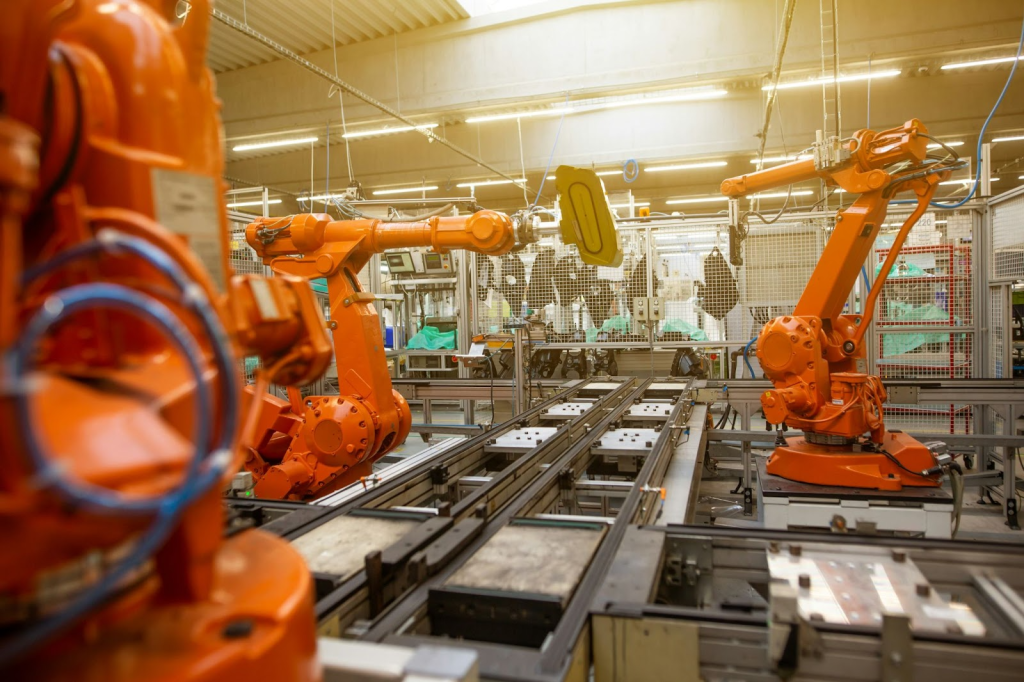
The future of inspection systems lies in AI integration, robotics, and smart connectivity
Conclusion
Inspection systems are powerful tools for auctions. Companies can no longer afford to treat inspection equipment as secondary acquisitions in the fast-paced industrial world. They are calculated investments that protect brand integrity, increase efficiency, and guarantee compliance. Auctions for used equipment provide previously unheard-of access to these resources, enabling even small and mid-sized businesses to compete at better quality levels. Through meticulous assessment, due diligence, and strategic bidding, companies can acquire inspection technologies that yield enduring return on investment. Inspection systems are hidden gems in the secondhand equipment market, not simply devices but also game-changers for industrial success, according to buyers who recognize their actual worth. Explore more opportunities at Greenbidz.