
The Next Frontier in B2B Equipment Trading
In recent years, Southeast Asia’s industrial landscape has experienced a significant shift—not only in manufacturing techniques or logistics but also in the ways business assets are traded. The conventional approach of private brokerage and face-to-face inspections is being challenged by an innovative, digital-centric method: B2B e-auctions.
Online auction sites have become some of the most effective and clear methods for businesses to obtain or sell excess equipment. From CNC machines in Vietnam to pharmaceutical testing tools in Malaysia and data center servers in Indonesia, e-auctions are enhancing liquidity and accessibility in industries that have historically been unclear and disjointed.
For both buyers and sellers, this change presents an exceptional array of possibilities—but it also entails a unique learning process.

Digital auction platforms like GreenBidz are streamlining surplus asset trading across Southeast Asia.
Reasons Behind Southeast Asia’s Adoption of Online Industrial Auctions
Various macroeconomic trends have aligned to create a ripe environment for B2B e-auctions in Southeast Asia:
- Digital transformation of conventional industries: Both governments and the private sector are investing significantly in Industry 4.0, encouraging even small producers to embrace digital tools.
- Excess asset buildup: As companies expand or alter their approaches after COVID, numerous are left with unused or inadequately used machinery that still possesses resale worth.
- Regional trade integration: As ASEAN trade agreements reduce obstacles, used equipment can be transported across borders more readily, making auctions appealing to buyers in the region.
- Price responsiveness in developing markets: Auctions provide immediate price determination, assisting companies in making economical choices within limited budget constraints.
Platforms such as GreenBidz are leveraging this trend by providing curated listings of verified industrial assets, including comprehensive specifications, images, and compliance data—all aimed at empowering the B2B purchaser.
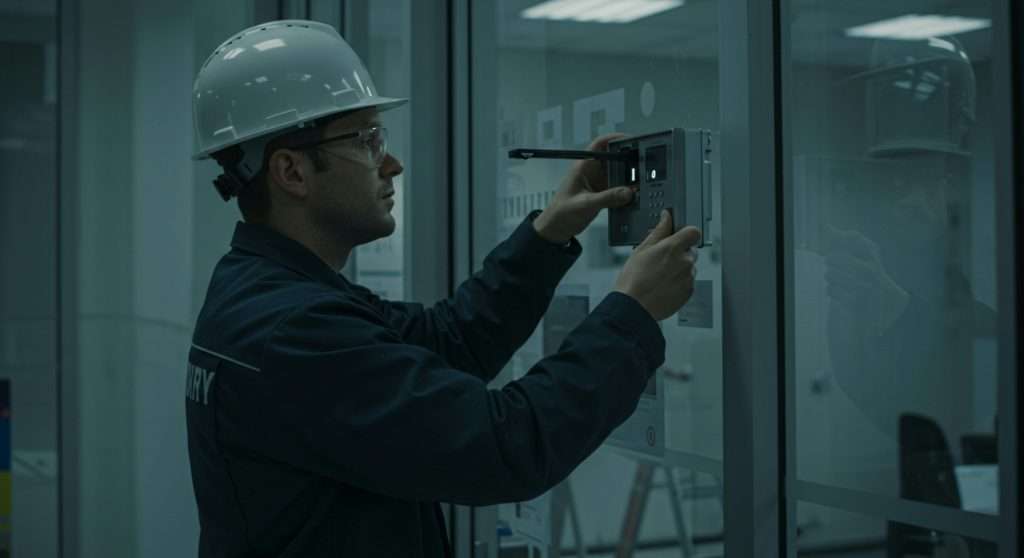
Verified buyers evaluate surplus equipment prior to bidding in online e-auctions.
The Mechanics of B2B E-Auctions
A B2B e-auction platform fundamentally links sellers (typically factories, multinational corporations, or liquidators) with buyers (like small and medium-sized enterprises, refurbishers, or traders). Here’s how the procedure generally proceeds:
Asset Listing:
The seller provides information about the equipment, such as brand, model, operating hours, maintenance records, and high-quality photos. Certain auctions also include video assessments.
Auction Timing:
A scheduled auction event is set, occasionally for just one lot, but frequently for an entire category (e.g., “Pharmaceutical Lab Liquidation” or “Heavy Equipment Auction”).
Buyer Registration:
Buyers set up accounts, submit company verification, and make refundable deposits to participate in bidding.
Bidding Stage:
Bidding starts at a minimum price or initial bid amount. Every new bid adds a few minutes to the auction duration to deter last-minute sniping.
Payment & Logistics:
Successful bidders obtain invoices containing bank information, payment due dates, and collection guidelines. Numerous platforms additionally provide assistance with export paperwork and shipping logistics.
This framework guarantees price clarity, equitable competition, and quickness, all of which are crucial for the rapidly evolving industrial environment of today.
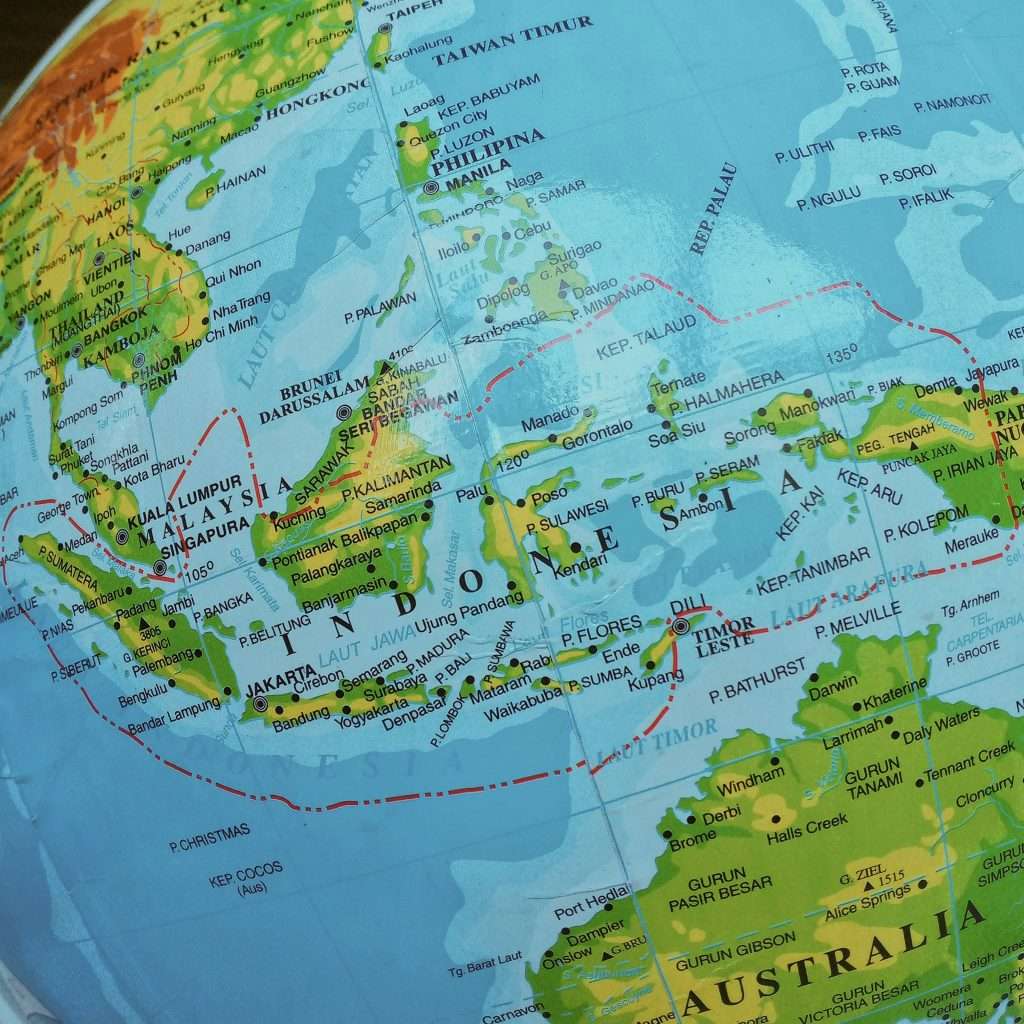
Growing e-auction activity across Southeast Asia is helping connect sellers in Malaysia, Vietnam, and Thailand with regional buyers.
Important Industries Controlling the E-Auction Market
A few industries in Southeast Asia have consistently been early adopters of e-auctions, despite the fact that almost every industry vertical has experimented with them:
1. Production Tools
Among the most frequently auctioned commodities are metalworking and fabrication machines, including hydraulic presses, CNC centers, lathes, and laser cutters. Older units that are still functional are frequently released by factories that are automating their processes, which makes them very appealing to startups and SMEs.
2. Life Sciences & Pharmaceuticals
Labs frequently remove usable cleanroom, testing, and formulation equipment as R&D advances and regulatory needs change. Large pharmaceutical companies’ surplus is particularly sought-after since it is typically well-maintained, well-documented, and rarely used.
3. Data Centers & IT
Data center refresh cycles and consolidations are results of the cloud boom. A common method of obtaining enterprise-grade servers, storage arrays, and networking hardware at a significantly reduced price is through e-auctions.
4. Heavy Equipment & Construction
When big projects come to an end or developers sell off assets, excavators, cranes, and forklifts are commonly seen on auction sites. These frequently attract customers from all throughout the region, particularly from nations like Thailand and the Philippines.
5. Processing Food and Drink
Many manufacturers list production lines—bottling, filling, pasteurizing, etc.—on e-auctions, frequently at drastically reduced costs, as the F&B industry adjusts to new packaging, hygiene, and automation standards.
Why Do Buyers Find E-Auctions Appealing?
Online B2B auctions’ growth isn’t merely a pandemic trend; rather, it’s a structural change motivated by purchasers’ obvious benefits:
- Availability of valuable and uncommon equipment: Numerous auction platforms deal with branded or specialized assets that are difficult to find on general e-commerce websites.
- Competitive pricing: Only what the market determines is paid by buyers. You don’t have to bargain with resellers or be concerned about phony markups.
- Verified documentation: For regulated industries, platforms such as GreenBidz offer technical specifications, compliance histories, and service records.
- Convenience and speed: With total transparency at every stage, transactions can be finished in days rather than weeks.
- Support for regional logistics: A number of sites now help with customs and cross-border transportation, removing one of the largest obstacles for buyers from other countries.
Tips for Buyers: How to Succeed in Online E-Auctions
Here are some tried-and-true methods to help you traverse this area like a pro:
1. Sign up in advance and complete your homework.
Days before to the sale, the majority of platforms provide equipment catalogs. Make use of this time to examine equipment compatibility with your current operations, compare specifications, and investigate market pricing.
2. Establish and adhere to a budget
Bidding wars are easy to get sucked into. Determine your maximum pricing in advance, accounting for potential certification requirements, shipping, taxes, and renovation expenses.
3. Request Further Details
Buyer questions will be answered by reputable auction sites. Never be afraid to request more pictures, service records, or, if possible, a virtual examination.
4. Check for Compliance Needs
Before being used, some assets can need new certifications, especially in the food, pharmaceutical, or medical industries. Verify local laws or make plans for validation after the transaction.
5. Take After-Sale Expenses into Account
The price of the bid is just one factor in the equation. Before deciding, factor in possible training, calibration, installation, and refurbishing.
Seller Viewpoint: Reasons B2B E-Auctions Outshine Conventional Liquidation
Not only buyers gain advantages. Sellers also benefit greatly from e-auctions:
- Global Access: Instead of relying on local brokers, sellers connect with a broader regional or international pool of buyers.
- Quicker Revenue Generation: Auctions typically wrap up in less than a week, speeding up cash flow.
- Clear Pricing: Competitive auctions typically yield higher recovery values than private transactions.
- No Inventory Storage: Goods transfer straight from the facility to the purchaser, reducing storage expenses.
This is particularly advantageous during post-M&A transitions, facility relocations, or debt reorganizations—situations where rapid disposal of tangible assets is essential.
GreenBidz: The Rising Auction Leader in Southeast Asia
Among the companies propelling this change, GreenBidz has become a prominent e-auction platform focusing on industrial surplus. Designed for clarity, ease, and growth, GreenBidz links authenticated buyers and sellers throughout Southeast Asia with:
- Streamlined interface and language localization support
- Tailored, sector-specific occasions (e.g., “Semiconductor Lab Clearance” or “IT Decommissioning Week”)
- Comprehensive assistance, covering escrow transactions and delivery arrangements
- Rigorous screening of equipment quality and seller trustworthiness
GreenBidz is transforming the way companies handle asset acquisition and liquidation with its swiftly expanding user base in Indonesia, Thailand, Malaysia, and Vietnam.
Concluding Reflections
With Southeast Asia evolving into a more interconnected and industrialized area, B2B e-auctions are likely to become the standard method for trading equipment. They provide unparalleled transparency, price determination, and effectiveness—advantaging both sides of the deal.
Whether you’re expanding a manufacturing operation or shutting down a production line, this is the moment to accept the change. Discover how to assess, propose, and succeed confidently, as in this new market arena, timing and data are crucial.
👉 Browse live auctions at GreenBidz and uncover surplus equipment options suited to your industry.