
New to online machinery auctions? This guide walks beginners through bidding tactics, payment terms, and how to avoid common pitfalls when buying industrial and IT equipment online.
Begin Intelligent: The Value of Considering Industrial Auctions
Online auctions for industrial equipment are quickly emerging as the preferred way to obtain high-quality, cost-effective machinery. Whether you’re launching a small workshop, modernizing your factory’s operations, or setting up a new data center, auctions provide unmatched access to excess equipment from trusted sellers—frequently at a fraction of the retail cost.
For buyers entering the market for the first time, the auction scene may seem intricate and somewhat daunting. You might be curious about how the bidding process operates, how to determine if the equipment is in proper working order, or if you have any safeguards in place if issues arise. This guide aims to assist you in approaching your inaugural auction with assurance, planning, and tranquility.
Comprehend the Auction Environment
Online surplus auctions generally belong to two distinct categories:
- Timed Auctions – These operate over a fixed period (usually a few days). Bidders are allowed to submit bids at any point until the end of the bidding period. The bidder with the highest offer emerges victorious.
- Live Auctions – These replicate a real-time bidding scenario, with lots concluding quickly—sometimes within minutes.
You’ll discover advertisements for a range of items including CNC machines, electrical panels, factory coolers, and forklifts as well as IT equipment like servers, network routers, and testing devices.
Platform Highlight: GreenBidz focuses on authenticated industrial equipment listings throughout Asia and other regions.

A typical online industrial auction dashboard where buyers can track bids and explore categories like CNC machines, lab equipment, and more.
Sign Up and Confirm Prior to Bidding
Before participating in any auction, you must establish an account with the platform. This usually includes:
- Supplying legitimate company or personal identification
- Consenting to terms and conditions specific to the auction
- Confirming payment options (credit card, bank transfer, escrow)
Some platforms may necessitate evidence of company registration or business licenses for corporate purchasers. Don’t wait until the day the auction concludes. Begin the registration procedure ahead of time to ensure you’re completely approved by the bidding period.
Investigate the Equipment in Detail
This stage is essential. Don’t think that a low price indicates you’re getting a great bargain. Thoroughly examine the listing for:
- Complete specifications – Types of processors, spindle speeds, voltage, measurements, etc.
- Condition – Search for terms such as “unused,” “installed but not utilized,” “fully functional,” or “needs repairs.”
- Images – High-quality pictures can show evidence of deterioration, corrosion, or old setups.
- Inspection Reports – When accessible, these may consist of third-party testing outcomes or maintenance records.
Also check if the equipment was removed from a controlled environment (like data centers or pharmaceutical labs) or from high-wear production areas. Cleanroom equipment often shows less wear.
Inquire About Various Topics
If anything is not clear, inquire before placing your bid. Most platforms let you message the auction host or seller directly. Ask:
- Has the apparatus been evaluated lately?
- Are there any missing parts or damage?
- Are the drivers, manuals, or software provided?
- Will it be professionally packed for shipping?
Transparent sellers welcome these inquiries—they indicate a serious buyer.
Understand Your Budget (and the Buyer’s Premium)
Auctions can seem like treasure hunts, but without a clear budget, it’s easy to overspend. Factor in:
- Buyer’s Premium – Usually 10–20% on top of your final offer
- Sales Tax/VAT – Depending on your region
- Shipping Costs – Global logistics, packaging, customs duties, etc.
📌 Example: If you win a used industrial chiller for $5,000, adding a 15% premium and $800 shipping brings your total to $6,550—still a deal if it fits your budget.
Employ Established Bidding Strategies
1. Begin with Observation
Before your first auction, just observe. Watch how seasoned bidders behave—some bid last-minute, others start high to intimidate.
2. Bid Late (But Don’t Delay Too Much)
Last-minute bidding helps avoid bidding wars. But be cautious: some platforms auto-extend closing times if new bids come in.
3. Set Maximum Proxy Bids
You can input the highest amount you’re willing to pay. The system bids on your behalf until that limit is hit.
Comprehend Payment and Cancellation Conditions
After winning an item, you’ll typically need to:
- Complete the payment in 3–5 days
- Arrange pickup or shipping
- Comply with export laws (for international transactions)
Late payments or missing the removal deadline can lead to penalties or forfeiture. Always plan logistics in advance.
Examine Upon Arrival
When the equipment arrives:
- Check the condition – Match it to the listing
- Test or activate (if needed)
- Report discrepancies immediately
Some auction platforms offer limited return periods or buyer protections against transit damage—but only with timely reporting.
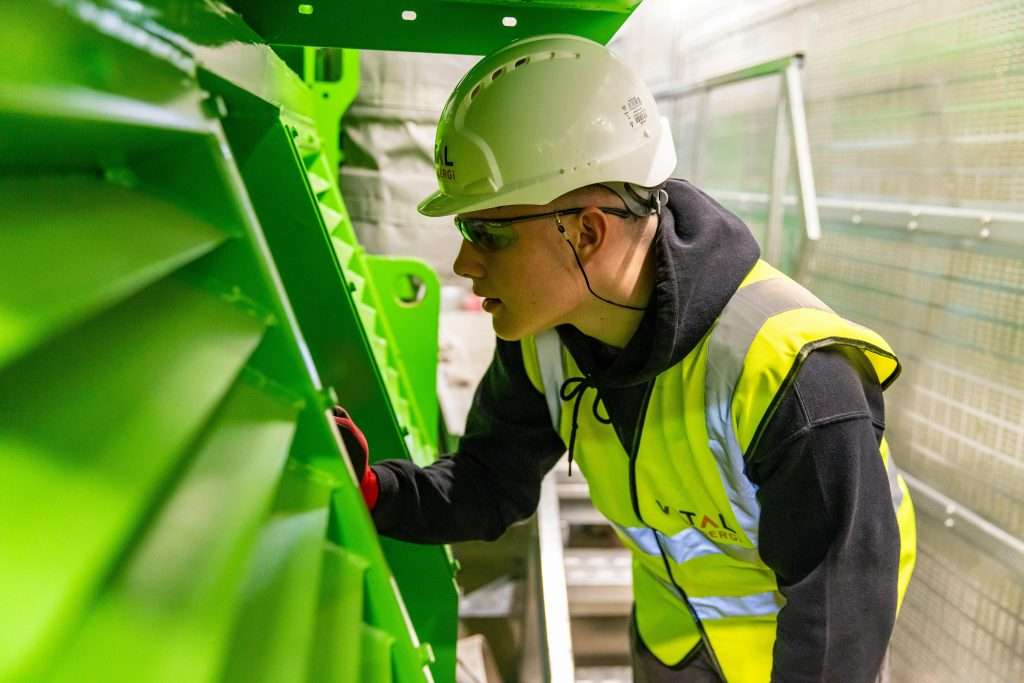
Close inspection of surplus machinery is critical—check for signs of wear, maintenance records, and operational status before placing your bid
Steer Clear of Typical Mistakes
Avoid these common errors:
- Bidding too high from emotion or ego
- Assuming “unused” means “brand new”
- Ignoring voltage mismatches
- Forgetting installation or maintenance costs
Doing your homework pays off—literally.
Consider Long-Term Value
Don’t only chase low prices. Ask yourself:
- Does this integrate with my current workflow?
- Are spare parts or support available?
- Can it scale with my operations?
Used doesn’t mean outdated. Many surplus units are only 2–5 years old and still top-performing.
Utilize Seller Ratings and Reviews
Some platforms publish seller metrics. Prioritize sellers who:
- Accurately describe items
- Provide clear images
- Ship securely and on time
Stick to high-rated vendors for complex machinery like CNCs, analyzers, or servers.
Utilize Auctions to Experiment with New Technologies
Not sure a specific machine is right for you? Auctions are a low-risk testing ground. You can buy labelers, test gear, cameras, or switches for a fraction of retail.
If it works—great. If not—you’ve spent very little.
Additional Tips for IT Equipment Buyers
If you’re bidding on servers, switches, or lab electronics:
- Confirm firmware and BIOS reset
- Ensure accessories are included (rails, cables, kits)
- Check compatibility (e.g., iDRAC for Dell gear)
- Avoid damaged casings or open ports
Even used IT assets can be rock-solid investments.
You’re Prepared to Bid—But Keep Learning
Each auction teaches you something—about pricing, machines, or buyer behavior.
- Track past winning bids
- Read forums and buyer reviews
- Watch GreenBidz for trends and upcoming listings
Knowledge = smarter decisions.

New bidders should familiarize themselves with auction rules, item specs, and bidding timelines to boost confidence before making a move.
Ready to Begin?
Whether you’re a procurement lead or first-time buyer, online auctions unlock affordability and variety.
By following this guide, you’ll avoid rookie mistakes, make confident purchases, and stay ahead of buyers still stuck in retail.
🔗 Visit GreenBidz to explore upcoming industrial auctions and bid smart on surplus machinery across Asia.