
From Liquidation to Manufacturing: How Producers Succeed with Excess Equipment
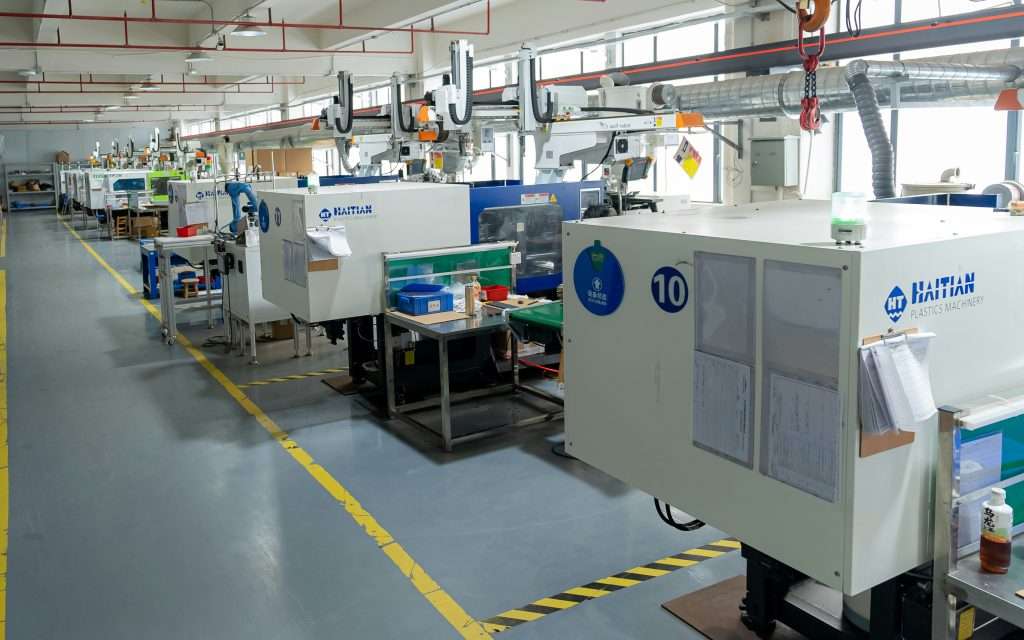
Surplus manufacturing equipment from a recent liquidation auction—ready for immediate redeployment.
In the constantly changing realm of industrial production, efficiency, scalability, and cost-effectiveness are essential for survival. With the rise of global competition and growing economic challenges, manufacturers—particularly in emerging markets or expanding mid-sized companies—are re-evaluating their approaches to acquiring machinery and production facilities.
A strategy that is gaining popularity? Acquiring gear from surplus and factory clearance auctions.
Instead of pouring significant funds into brand-new capital assets, astute manufacturers are currently utilizing a plentiful and frequently disregarded resource: secondhand production equipment from auctions. These auctions provide dependable, professional-quality equipment—frequently gently used and well-cared-for—at a much lower price.
This guide examines how and why this approach is effective, the various types of equipment typically offered, and how purchasers can enhance ROI while steering clear of frequent mistakes.
The Strategic Justification for the Use of Liquidation Equipment
A factory liquidation does not imply that the machinery is obsolete or unusable. On the contrary. For a variety of reasons, businesses close, move, or upgrade, leaving behind useful, functional assets.
Here are some reasons why manufacturers might be wise to purchase excess equipment from these circumstances:
1. A smaller initial investment
Cost is among the most obvious advantages. Compared to purchasing new equipment, purchasing secondhand production equipment at auction might result in a 30–70% reduction in capital cost.
This frees up funds for other important areas, including software systems, R&D, or hiring.
2. Shorter Lead Times
Used equipment is available for shipment right away following the auction, in contrast to new machinery, which may have a lead time of several months (particularly for large-scale manufacturing lines or high-precision tools). This speeds up project launches and decreases downtime for manufacturers.
3. Availability of International Brands
Top-tier equipment brands, such as Siemens, Fanuc, Mazak, KUKA, and ABB, are frequently included in surplus auctions. In order to save time and money on modification, many are set up with industry-specific add-ons.
4. The Benefit of Sustainability
Manufacturers are under increasing pressure to lessen their environmental impact. Selecting reconditioned or used equipment reduces industrial waste and resource exploitation, which is consistent with the circular economy.
Typical Equipment Categories Available at Surplus Auctions
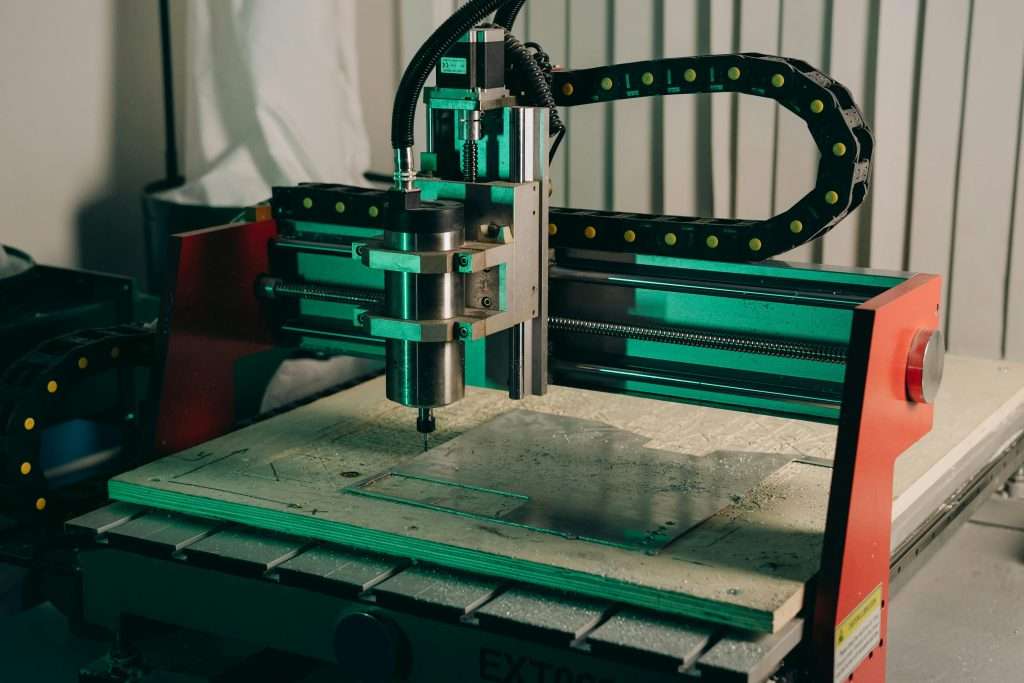
Pre-owned production-grade equipment like this CNC lathe offers high performance at a reduced investment.
Depending on the source of liquidation and area, producers can discover a remarkable range of equipment, frequently customized for particular industries such as automotive, food processing, pharmaceuticals, or electronics.
✅ Manufacturing Equipment
- CNC lathes and milling equipment
- Injection molding equipment
- Pressing and stamping machines
- Lathes and grinding machines
✅ Equipment for Packaging & Processing
- Belt conveyors
- Automated filling and sealing machinery
- Shrink-wrapped tunnels
- Powder blending and mixing machines
✅ Electrical and Control Systems
- PLCs and industrial computing systems
- Variable Speed Drives (VSDs)
- Control cabinets for motors
- Industrial uninterruptible power supply (UPS) systems
✅ Laboratory and Cleanroom Equipment
- Environmental enclosures
- Sterilizers and autoclaves
- Balances of high precision
- Biosafety hoods
✅ Technology & Server Setup
- Rack-mounted servers and blade systems
- UPS and refrigeration systems
- Network switches and patch bays
These objects, previously associated with a discontinued production line or an obsolete R&D department, frequently possess substantial operational worth.
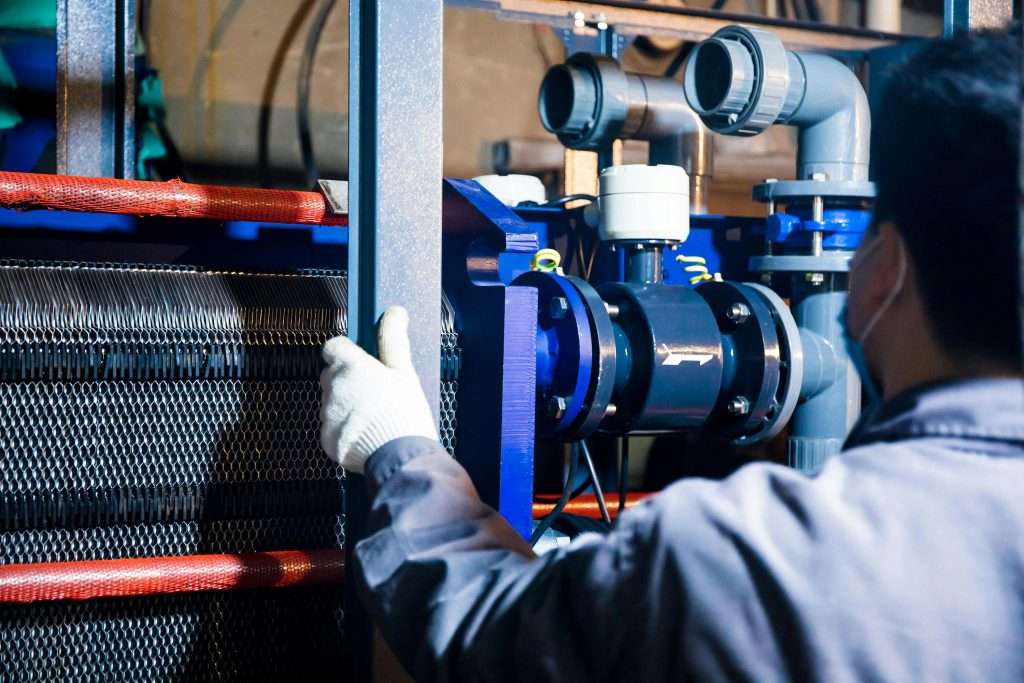
Technicians integrate auction-sourced equipment into a live production line—cutting startup costs by over 60%.
Impact in Reality: Success Narratives from Asia
Throughout Asia, an increasing number of manufacturers are utilizing surplus strategies to expand.
🇮🇩 Indonesia: Manufacturer of Plastic Products Reduces Costs by 60%
A small plastic products company located in Surabaya purchased five injection molding machines from the auction following a Malaysian electronics firm’s shutdown. The machines were under five years old and had minimal operating hours. Following slight modifications, they were incorporated into the production line—reducing the expansion expense by 60% in comparison to purchasing new.
🇹🇭 Thailand: Auto Parts Provider Increases Production Capacity
An auto parts manufacturer in Bangkok acquired robotic welding arms and CNC machinery from a liquidation sale in Taiwan. With local technicians assisting in recalibrating the equipment, the company increased its production capacity twofold without any debt financing.
🇻🇳 Vietnam: Furniture Manufacturer Obtains State-of-the-Art Woodworking Equipment
A Vietnamese company acquired advanced woodworking equipment—such as CNC routers and edge banders—during a factory liquidation in Korea for 25% of the original market value. This provided them with the advantage necessary to secure new export contracts.
The Best Way to Handle a Factory Liquidation Auction
Despite the advantages, purchasing surplus equipment necessitates careful consideration. Here’s how to accomplish it successfully:
✅ 1. Prior to making any bids, complete your homework:
- Examine the seller’s history
- Request run-time information or maintenance records
- Examine the model’s dependability and the availability of replacement components
- Use inspection reports and demo films if they are available on an auction platform
✅ 2. Recognize the Market Value
Examine comparable new and used units’ current market prices. This will assist you in establishing a reasonable bid cap and preventing impulsive overbidding.
✅ 3. Recognize Auction Conditions
Auctions don’t all work the same way. Review:
- Buyer’s premiums, which usually range from 10% to 15%
- Terms of payment (LC, bank transfer, etc.)
- Deadlines for removal and shipping
- Requirements for export and tax documentation
✅ 4. If at all possible, inspect (or hire a local agent)
Many buyers collaborate with outside technicians or equipment scouts to confirm condition and operability, even though certain platforms offer options for on-site inspections.
✅ 5. Logistics Budget
Remember:
- Loading and crating charges
- Charges for cross-border freight
- Commissioning and installation
- Costs associated with customs clearance
Collaborate with seasoned logistics companies that comprehend industrial freight.
✅ 6. Make an Integration Plan
Purchasing is just half the fight. Prepare the following:
- Qualified technicians for setup
- Utility and power matching, particularly for pneumatic or voltage systems
- If necessary, retrofit parts
Locating Reliable Industrial Auctions in Asia
Although numerous regional and international auction houses exist, not all focus on industrial or surplus manufacturing equipment. Search for services that provide:
- Confirmed equipment listings along with images and specifications
- Assistance with local logistics and support
- Clear bidding regulations
- Post-sale paperwork (e.g., ownership proof, decontamination certificates)
One example is GreenBidz—a developing center for obtaining verified surplus assets throughout Asia, ranging from biotech laboratories to metalworking facilities. It links purchasers with liquidation vendors throughout Hong Kong, Thailand, Indonesia, and more, providing dependable access to excess stock along with local assistance.
Closing Reflections: Intelligent Production in a Capital-Heavy Environment
In the current competitive manufacturing environment, cost-effectiveness has shifted from being a luxury to becoming essential. By utilizing excess machinery from liquidation sales, manufacturers can reduce entry obstacles, increase capacity, and diversify their operations without stretching budgets.
Regardless of whether you’re constructing a new facility or expanding an existing one, exploring alternatives to traditional new-equipment options might be essential for quicker growth and more efficient production.
Keep in mind that, similar to any industrial asset, your success relies on knowledgeable bidding, thorough inspection, and careful logistics planning. When executed properly, excess equipment can swiftly transform from unused stock to valuable assets.
Prepared to Investigate Surplus Equipment Listings?
Discover live auctions and excess factory machinery at GreenBidz—Asia’s reliable site for authenticated industrial assets.