
In the competitive realm of pharmaceuticals, biotechnology, and life sciences, every dollar invested in research infrastructure must matter. As the demand for equipment continues to rise while budgets become more constrained, numerous companies are opting for surplus lab equipment auctions to obtain quality tools at lower costs. In contrast to old beliefs, pre-owned lab equipment is now seen as valuable resources. Currently, they frequently signify unexploited worth, concealed beneath layers of neglect, business closures, or infrastructure improvements.
This blog examines how excess laboratory equipment can serve as a wise investment for both small laboratories and established R&D facilities, which assets are typically exchanged, how to evaluate them, and where to begin your search.
The Increasing Need for Pre-Owned Laboratory Equipment in Asia
In Asia’s swiftly advancing healthcare, biotech, and pharmaceutical industries, used laboratory equipment is emerging as a key procurement avenue. With nations such as Thailand, Indonesia, Vietnam, and India boosting their investment in localized research and development as well as medical innovation, the need for accurate, cost-effective lab facilities is rising sharply.
However, creating an operational laboratory is not inexpensive. A single top-tier analytical device can be priced at tens or even hundreds of thousands of dollars when purchased new. This has led academic institutions, CROs, and emerging biotechs to seek alternatives to conventional vendors and investigate secondary markets—mainly auctions and surplus suppliers.
The outcome? A thriving marketplace where rarely-used or never-installed lab equipment can be purchased for 40%–80% below retail prices, frequently with complete operational functionality.
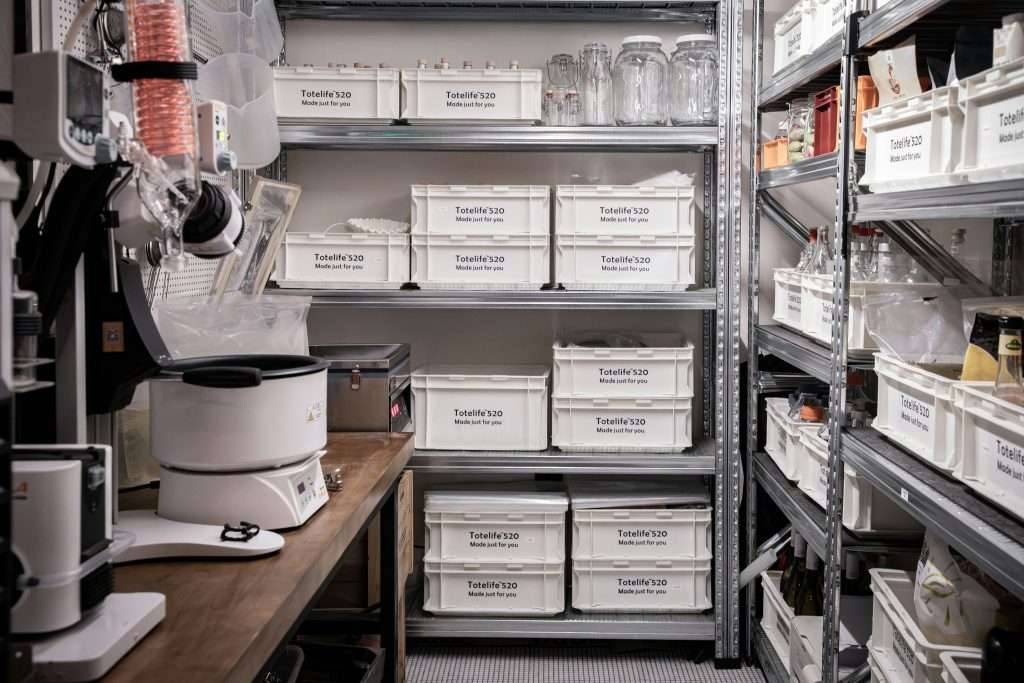
Surplus laboratory equipment from pharmaceutical R&D cleanouts, staged for auction.
Why Are Numerous Labs Disposing of Excess Equipment?
Laboratories—particularly within the pharma and biotech sectors—are continually advancing. Initiatives shift, patents lapse, and stages of clinical trials end. In such situations, resources utilized for certain tests or procedures might become redundant, despite being entirely operational.
Moreover:
- Mergers and acquisitions result in the consolidation of laboratories and redundant equipment.
- Upgrades to facilities or moving locations frequently lead to cleanouts.
- Funding cycles compel universities or research groups to divest assets in order to manage budgets.
- Discontinued product lines or outdated testing techniques result in specialized tools being unused.
Such circumstances lead to a continuous influx of laboratory equipment into the surplus market, with a significant portion remaining in superb condition—particularly when kept in cleanroom settings.
Most Frequent Surplus Laboratory Equipment Available at Auction
Customers frequently express astonishment at the range and caliber of tools offered. Below are several of the most in-demand categories commonly featured in laboratory auctions:
Analytical Devices
Includes spectrophotometers, HPLC devices, gas chromatographs (GC), and mass spectrometry instruments—typically high-value equipment used for precise evaluation in pharmaceutical QC, food safety, and chemical investigation.
Microscopes and Imaging Equipment
Used confocal, fluorescence, and digital microscopes from top-tier brands like Olympus, Leica, and Zeiss are often sourced from universities or biotech R&D facilities.
Bioprocessing and Cell Culture
Includes CO₂ incubators, bioreactors, laminar flow cabinets, and centrifuges—critical for work in biologics, stem cell research, and vaccine development.
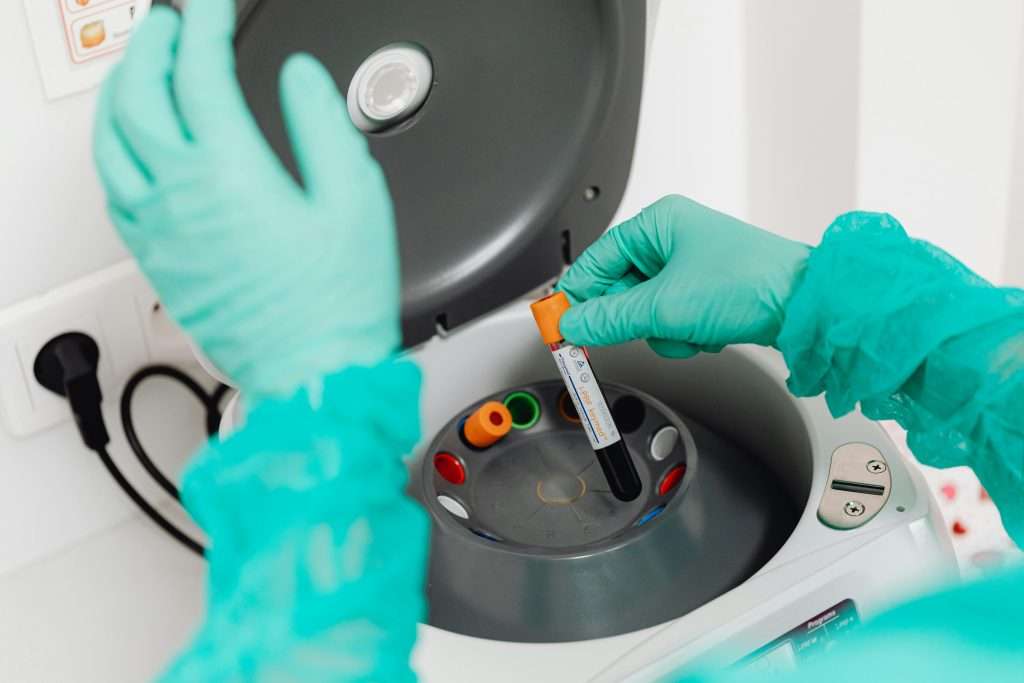
Eppendorf centrifuges and incubators retrieved from surplus sale, in near-mint condition.
Standard Laboratory Instruments
Common tools such as vortex mixers, scales, pH probes, chillers, vacuum devices, and ovens—often sold in bundles and essential to daily lab workflows.
Chambers for Environmental Testing & Stability
Used to simulate temperature, humidity, and pressure conditions for pharmaceutical stability testing. Brands like ESPEC and Thermo Fisher are popular.
Automated Systems & Liquid Management
Includes pipetting robots, automated plate readers, and sample prep stations—ideal for medium to high-throughput labs without major capital expense.
How to Assess Surplus Lab Equipment Prior to Purchase
Although cost savings are substantial, thorough investigation is crucial. Here are six key factors for evaluating surplus equipment:
1. Operational Condition
Was it decommissioned while working? Has it been tested? Prefer items with clear operational history or testing documentation.
2. Storage in Cleanroom or Non-Cleanroom
Equipment stored in clean environments is often in better shape. Non-cleanroom items may face dust, corrosion, or humidity damage.
3. Service and Calibration Records
Request maintenance and calibration logs. Recently calibrated units hold more value—especially critical instruments like HPLCs or balances.
4. Compatibility and Software
Check for software licensing, dongles, or compatibility issues. OEM support matters for performance and integration.
5. Physical State
Look for signs of damage, corrosion, or missing components in photos. Surface scratches are fine; broken internals are not.
6. Adherence & Verification
For GLP and GMP compliance, some units must be re-validated or re-qualified before use in regulated workflows.
Well-Known Brands and Their Bidding Outcomes
Some brands dominate the secondary market due to reliability and industry trust:
- Agilent – Leaders in HPLC and GC systems
- Thermo Fisher Scientific – Wide product range from freezers to analyzers
- Eppendorf – Reliable tools for pipetting and cell culture
- Beckman Coulter – Centrifuges and automation system
- Bruker & Shimadzu – Advanced spectroscopy and analytical tools
Buyers often save 60–70% off new prices, especially for units under 5 years old.
Are Auctions Trustworthy for Essential Laboratory Equipment?
Many ask: “Can I rely on auction-sourced lab gear for regulated work?” The answer is: yes—if you’re informed. Reputable platforms will:
- Offer detailed listings, photos, and test reports
- State the equipment’s source (e.g., pharma cleanroom)
- Disclose any known defects or missing parts
- Allow pre-bid inspections or preview periods
Bid smart. Don’t just chase the cheapest item—focus on total lifecycle value.
Case Study: Southeast Asia Biotech Lab Saves 50% on Startup Costs
In 2024, a Malaysian biotech startup built a protein synthesis lab using surplus auctions to cover 70% of its setup. Major purchases included:
- A Thermo CO₂ incubator
- Agilent UV-Vis Spectrophotometer
- Eppendorf centrifuge set
- Walk-in environmental chamber
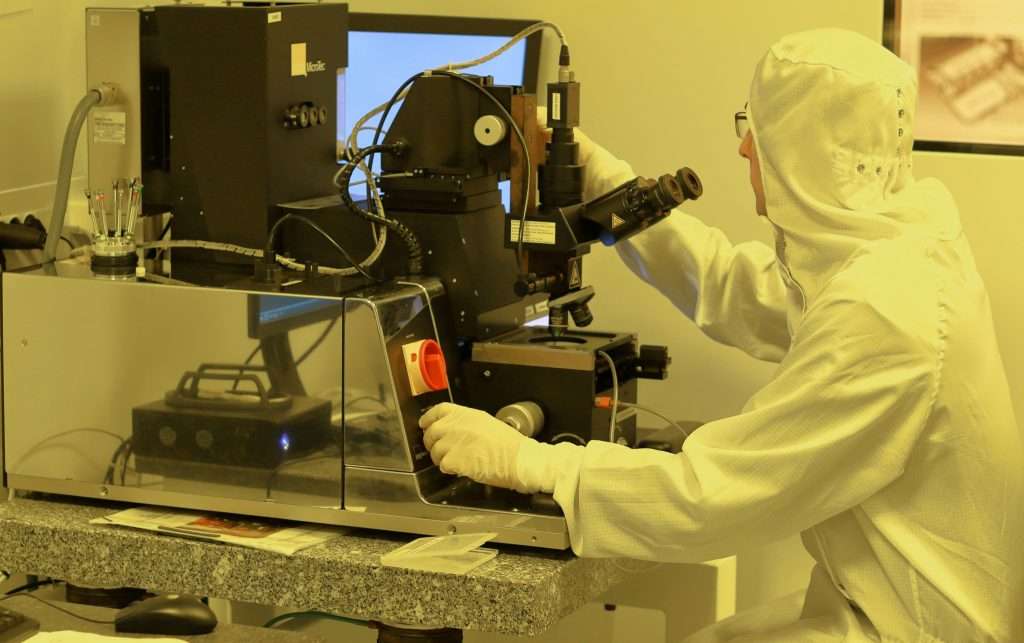
Startup lab in Malaysia equipped with auction-sourced scientific gear.
Total savings exceeded USD 60,000. A local calibration firm tested and certified each piece. Within 3 months, the lab was ISO certified.
Sustainability Reward: Providing Equipment with a New Purpose
Beyond financial savings, surplus equipment supports environmental sustainability by:
- Reducing e-waste
- Lowering carbon output from manufacturing
- Saving energy in production, packaging, and shipping
Resale and reuse help labs meet ESG goals while supporting a circular economy.
Frequent Mistakes to Steer Clear of in Laboratory Equipment Auctions
Despite the upside, avoid these common pitfalls:
- Failing to verify voltage/frequency compatibility for international shipping
- Assuming all parts are included based on photos
- Overlooking shipping & customs costs
- Not benchmarking market value
- Skipping recalibration after purchase
Places to Locate Auctions for Surplus Lab Equipment
Not all auction platforms are equal. Look for established B2B marketplaces with lab-specific focus. These often source gear from:
- University surplus departments
- Pharmaceutical cleanouts
- Liquidation firms like GreenBidz
Concluding Reflections: Is It Valuable?
For growing labs, surplus lab equipment delivers a rare combination of affordability, reliability, and accessibility. With smart evaluation and planning, you can build or upgrade your lab without compromising on quality or compliance.
Modern auction platforms make the process transparent and efficient, with low risk for informed buyers. And in a time when sustainability and ESG matter more than ever, reusing scientific equipment is a smart, responsible choice.
Whether you’re a startup in Indonesia, a university in Vietnam, or a contract lab in Thailand, surplus auctions are no longer just a backup plan—they’re a strategic procurement tool.
👉 Start browsing active lab equipment listings now at GreenBidz.com