Intro
Water is super important in any lab. In the world of medicine and biotech, it’s way more than just something to mix stuff with. It’s actually part of the process, used for cleaning, and basically needed for almost everything. How clean that water is has a direct on how good, correct, and repeatable your research and production are.
If your water is dirty or not cleaned well enough, it can mess up reactions, add bad stuff to what you’re making, and ruin sterile environments. Labs that want to follow the rules and be scientifically spot-on need to get a good water cleaning system. It’s not an optional thing; it’s a must.
Two names that come up a lot are UNISS and Sartorius Stedim Biotech. Their systems, like the Arium pro UF, are known for being trustworthy and giving you really clean water. They’re great examples of how tech and science can come together to give you water that’s exactly what you need.
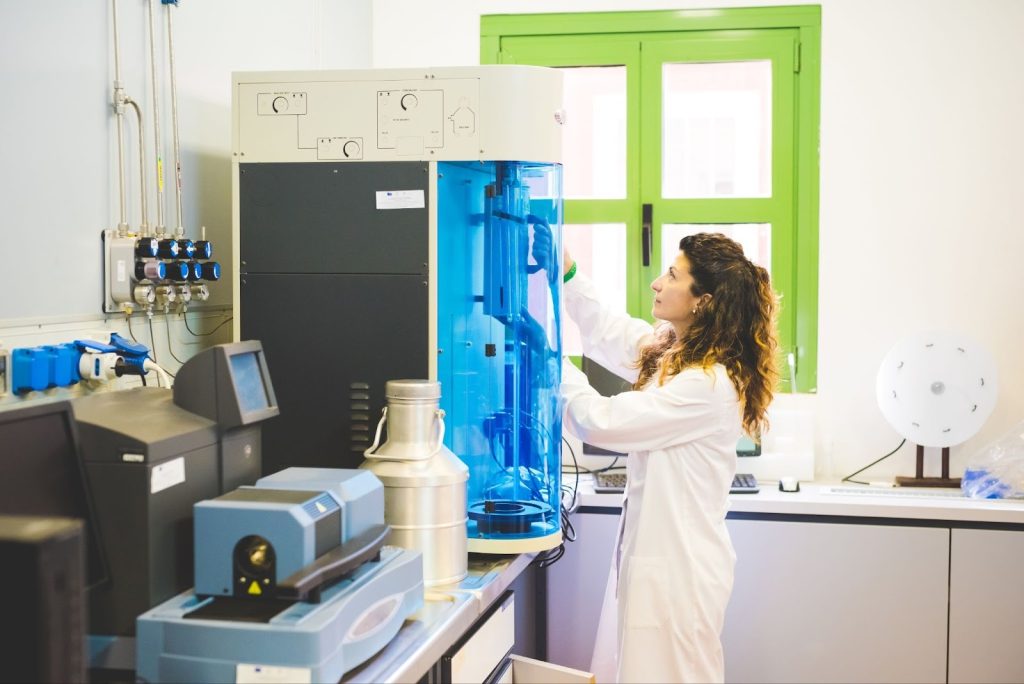
Sartorius Stedim Arium pro UF system delivering Type I ultra-pure water for sensitive pharmaceutical and biotech applications.
Why Water Matters So Much in Drug Labs
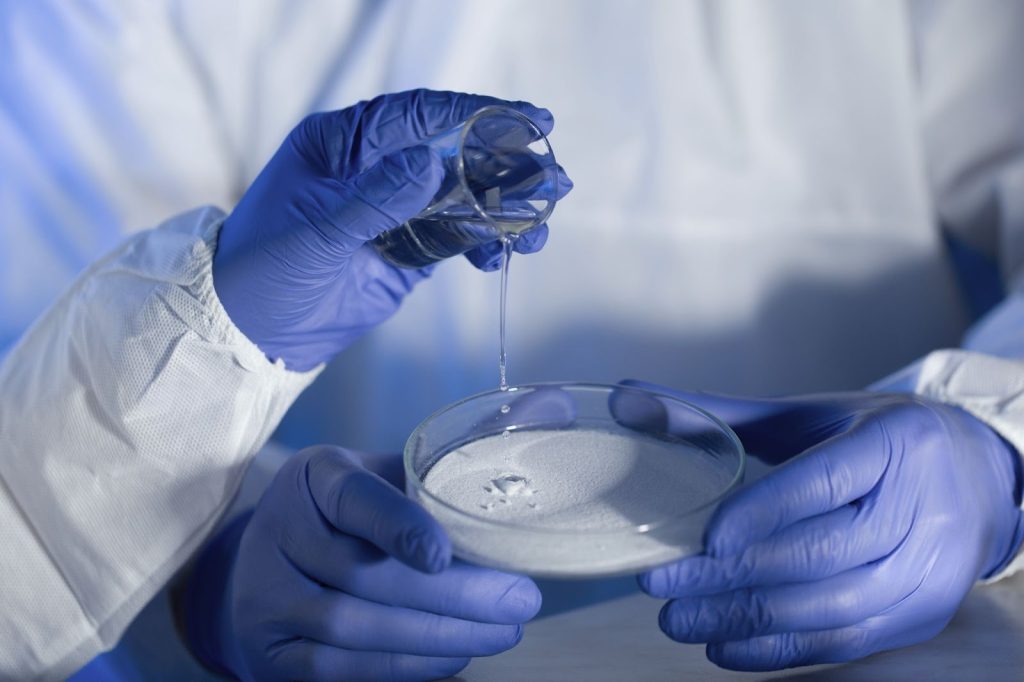
A laboratory scientist dispensing ultra-pure water for preparing reagents and buffer solutions used in pharmaceutical research.
In drug and biotech labs, water does a lot: getting things ready, cleaning, making stuff weaker, and creating buffer solutions. This water has to be super pure, meeting standards set by groups around the world, things like:
- Type I (Ultra-pure Water): For things that are very sensitive, like HPLC, GC-MS, and growing cells.
- Type II (Pure Water): Good for general lab work, getting stuff ready, and buffer solutions.
- Type III (RO Water): For basic washing and to feed water into systems that make even cleaner water.
Things like ions, organic stuff, tiny particles, and germs can mess up your results. Even small bits of bad stuff can get in the way of tests, change the pH, and give you wrong answers.
That’s why you need a water cleaning system you can trust. It keeps your research honest and helps you follow Good Laboratory Practice (GLP) and Good Manufacturing Practice (GMP) rules.
What Makes a Good Water Cleaning System?
Modern lab water systems are made to get water super clean using different steps of filtering and treatment. Usually, this includes:
- Pre-filtration: Gets rid of big pieces and dirt.
- Reverse Osmosis (RO): Takes out almost all dissolved ions and organic things.
- Deionization (DI): Uses special resins to grab any ions that are left.
- Ultrafiltration (UF): Filters out bacteria, pyrogens, and big molecules.
- UV Sterilization: Kills germs and lowers the total organic carbon (TOC).
- Final Polishing Filters: Makes sure the water is always ultra-pure.
Each step helps make sure the water is clean and meets the standards set by groups like ASTM, ISO, and pharmacopeias (USP, EP, JP).
Sartorius Stedim Arium pro UF: Exact and Trustworthy
The Sartorius Stedim Arium pro UF is known as one of the best ultra-pure water systems out there. It’s made with years of knowledge in lab filtering, and it has an easy-to-use design and purification tech.
Key things:
- Ultrafiltration (UF) module: Gets rid of endotoxins, RNases, and DNases, making the water great for growing cells and working with molecules.
- Always pure: Gives you ASTM Type I water with a resistance of up to 18.2 MΩ·cm.
- Easy screen: Makes it simple to watch, give out water, and run the system.
- Low Total Organic Carbon (TOC): Keeps TOC levels under 5 ppb, stopping contamination in tests that are sensitive.
- Maintenance alerts: Reminds you to do things so the system stays in good shape.
- Small and simple design: Fits into labs easily.
The Arium pro UF works right into lab routines, giving you water that meets the tough purity needs for testing, drug making, and cell growing.
UNISS Water Systems: Clean Water and New Ideas
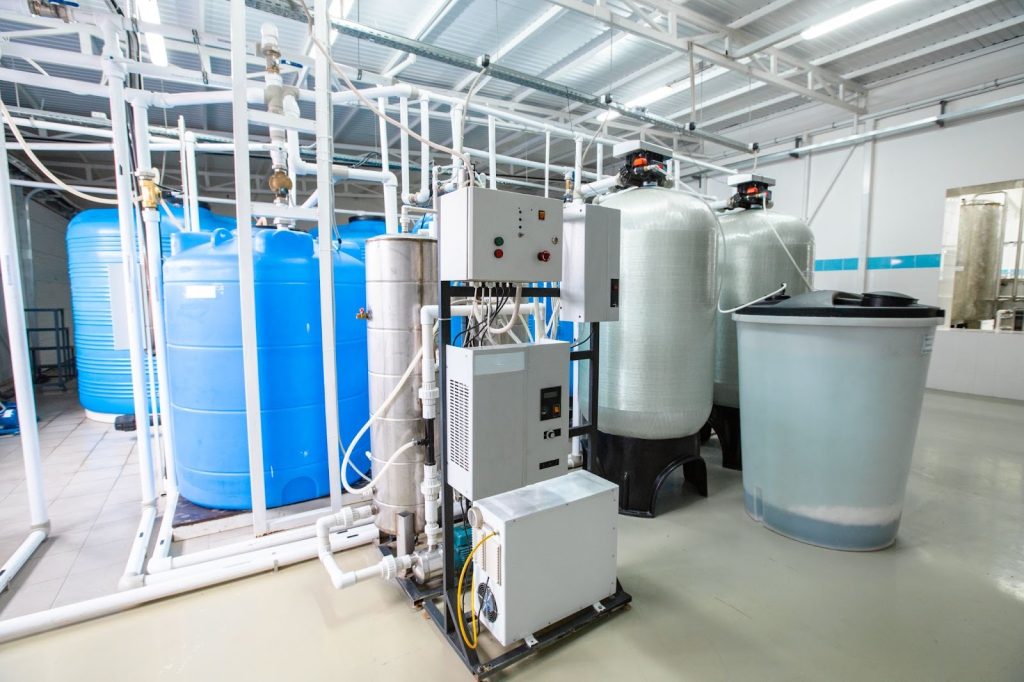
UNISS multi-stage RO-DI water purification system designed for high-volume pharmaceutical and cleanroom operations.
UNISS is known for making lab water systems that work well in drug, chemical, and medical research places. Their tech focuses on being consistent, able to handle a lot, and lasting a long time.
Good things:
- Multi-stage purification: Uses reverse osmosis, deionization, and UV to work better.
- Always watching: Measures resistance and TOC in real time so the water is always good.
- Changes: Systems can make Type I, II, or III water, depending on what the lab needs.
- Sterilization: Automatic cleaning stops germs from growing and makes the membrane last longer.
- Saves energy: Made to waste less water and use less power, which helps the environment.
UNISS systems are common in drug labs and cleanrooms where they need water that is always pure for making important things and doing research.
Keeping Things Sterile and Following the Rules
Keeping water pure is not just about being chemically clean; it’s also about being sterile. In places where they make vaccines and injectables, even tiny contamination can make whole batches useless.
Both Sartorius Stedim and UNISS deal with this by:
- Using filters that can get rid of germs and pyrogens.
- Using UV and heat to stop biofilms from forming.
- Giving you ways to clean the pipes so the clean water keeps moving.
- Having data logs and alarms to watch things for you.
This makes sure that the water is not only pure but also sterile from start to finish.
Checking Quality and Keeping Track
In regulated companies, keeping records is as important as the water quality itself. Systems from Sartorius Stedim and UNISS have:
- Screens to show water quality info in real time.
- Automatic logging of resistance, TOC, and maintenance.
- Reports that follow 21 CFR Part 11 rules.
- Password safety to stop unauthorized changes.
This helps you follow international rules.
Saving the Planet and Being Efficient
Because saving the environment is getting more important, water cleaning systems are starting to be more green.
Good things for the environment:
- Less water waste: Gets more water out of RO, so less water is wasted.
- Saves energy: Better pumps and standby modes use less power.
- Recyclable stuff: Made to last long and be recycled.
- Maintenance: Makes filters last longer and wastes less stuff.
Both UNISS and Sartorius Stedim care about the environment and have made their designs with that in mind.
How It’s Helpful in Drug and Biotech Research
Clean water is basic to every lab process. Systems like Arium pro UF and UNISS RO-DI help with:
- Testing (HPLC, GC-MS, LC-MS), where bad stuff can mess up results.
- Growing cells and molecular biology, where water without endotoxins keeps cells alive and experiments repeatable.
- Making formulas, where purity impacts how long stuff lasts.
- Cleaning cleanrooms, so no bad stuff is left on surfaces.
- Helping drug production, like getting media ready and diluting buffers.
When water is always good, results are easier to repeat, risks are lower, and work is more productive.
Different: UNISS vs. Sartorius Stedim Arium pro UF
| Feature | Sartorius Stedim Arium pro UF | UNISS Water Systems |
| Purity | ASTM Type I (18.2 MΩ·cm) | Type I, II, III |
| Tech | Ultrafiltration + UV + DI | RO + UV + DI + Optional UF |
| Good | Endotoxin-free water | Changes |
| Screen | Touchscreen | Digital |
| Uses | Molecular biology, analytical | Drug, QC |
| Saves the environment | Low TOC | High recovery |
The Future of Lab Water Systems
Water tech will have automation and AI to make things better.
Trends:
- AI that watches for problems.
- Remote access.
- Better filters.
- Zero-waste.
Conclusion
In drug and biotech labs, water purity is the key to quality. Systems like the Sartorius Stedim Arium pro UF and UNISS make sure that every drop meets the best standards.
By combining tech, automation, and records, they protect experiments, make sure you’re following rules, and help with saving the planet.