
The Benefits of Auctions for Woodworking Enterprises
In the competitive woodworking industry today, producers are faced with constant demands for precision, efficiency, and scalability—with a side effect being the minimization of capital costs. From small workshops making one-off pieces to massive factories that handle automated production systems, the need for reliable equipment applies universally.
However, sophisticated woodworking machines—if they are CNC routers, edgebanders, or sawmills—do have intimidating prices that may put a damper on expansion possibilities. Here is where industrial auctions offer a different route. Auctions have turned into a goldmine for producers, providing opportunities to acquire premium, used woodworking equipment at a much lower price than purchasing new.
Through skillfully managing the auction process, companies can obtain equipment that fulfills production needs while boosting profitability. This blog examines the shift from workshop to warehouse, utilizing auctions to expand operations with woodworking equipment that spans from individual tools to entire production systems.
Reasons Auctions Appeal to Woodworking Equipment
Cost-Effectiveness Without Sacrificing Standards
Auctions frequently include equipment from factories that are experiencing upgrades, mergers, or closures. This indicates that numerous woodworking machines on the market remain in great shape, having been phased out not because of ineffectiveness, but because the owner opted for more advanced technology. Customers can find top-tier brands such as SCM, Homag, Biesse, and Weinig at prices reduced by 40–70% from retail.
Access to Entire Production Lines
In addition to individual machines, auctions are increasingly showcasing complete woodworking production setups—sawmills, edgebanders, planers, dust collection systems, and finishing lines offered as packaged lots. This creates a chance for workshops to expand into warehouse-level manufacturing swiftly and cost-effectively.
Quicker Expansion
For companies aiming for swift growth, auctions remove the lengthy delays linked to purchasing new equipment. After purchase, machines can frequently be delivered and set up in a matter of weeks, speeding up return on investment.
Advantages of Sustainability
Prolonging the lifespan of equipment via reuse is consistent with sustainability objectives. By obtaining used equipment, woodworking companies decrease their carbon footprint and cut expenses.
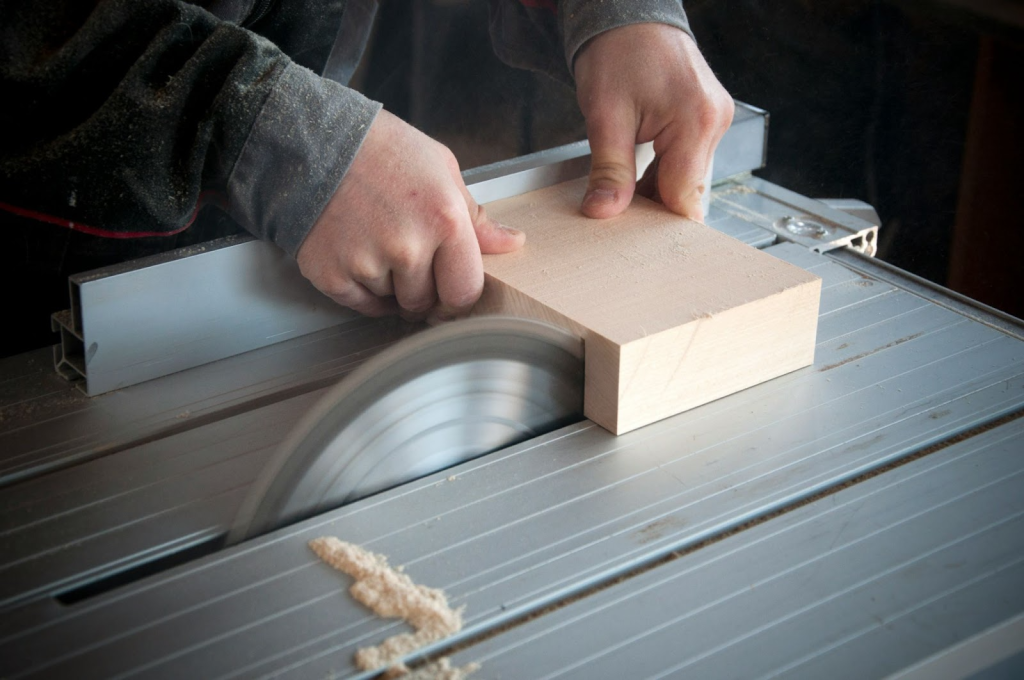
Industrial woodworking machines at auction — from CNC routers to edgebanders, buyers can secure top-tier equipment at a fraction of retail cost.
Main Categories of Woodworking Equipment Offered at Auctions
CNC Milling Machines and Router Centers
Precision CNC machines serve as the foundation of contemporary woodworking, facilitating detailed cutting, drilling, and shaping. At auctions, purchasers can discover 3-axis and 5-axis CNC routers at significant markdowns.
Edging Machines
Crucial for the production of furniture and cabinets, edgebanders apply finishing edges to panels. Liquidation auctions from shut-down furniture factories often feature premium models equipped with automatic glue application and trimming units.
Lumber Mills and Cutting Techniques
Entire sawmill systems, featuring band saws, log carriages, and conveyors, are frequently found in auctions related to forestry or lumber activities.
Planers, Sanders, and Shapers
These devices enhance wood surfaces, guaranteeing uniform thickness and polished finishes. Industrial moulders from manufacturers such as Weinig or SCM are often featured.
Dust Collection and Environmental Solutions
Contemporary woodworking shops need adequate dust removal for safety and regulations. Auctions frequently feature complete dust collection systems—a necessary yet expensive purchase when bought new.
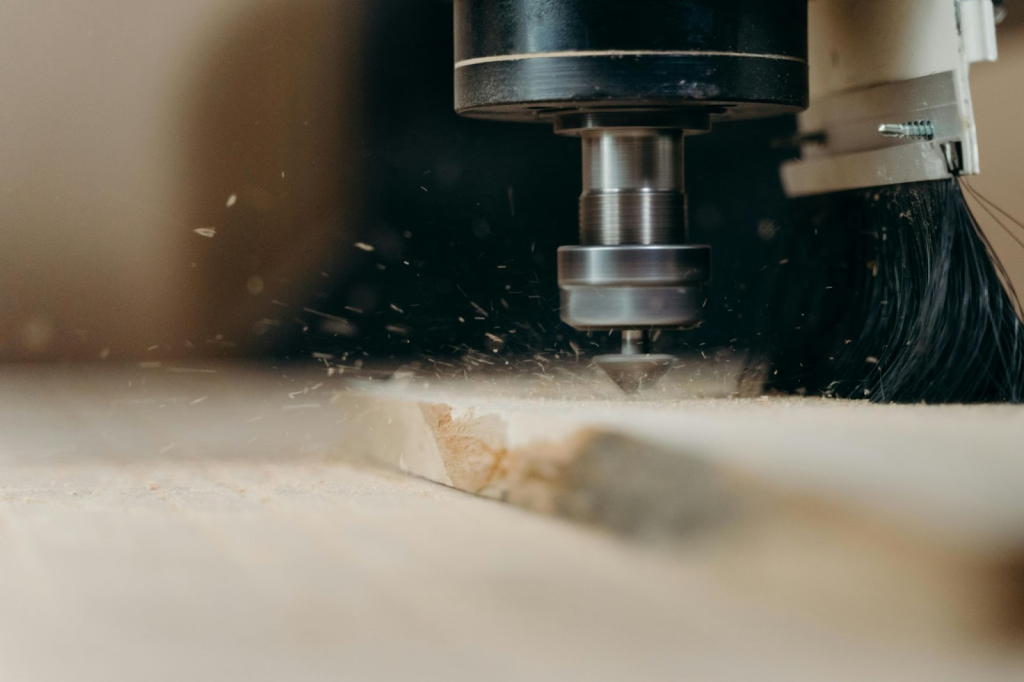
High-precision CNC woodworking machines, such as 5-axis routers, are frequently available through industrial equipment auctions.
Process for Purchasing Woodworking Equipment at Auction
Step 1: Clearly Outline Your Requirements
Begin by evaluating what your operation needs. Are you seeking to grow in automated CNC machining? Are you in need of efficient sawmills for processing lumber? Or are you enhancing dust collection systems for regulatory adherence? Establishing clear objectives guarantees you make bids based on strategy instead of emotions.
Step 2: Investigate Auction Resources
There are two primary auction types:
- Online Auctions: Websites such as Greenbidz, Surplex, Troostwijk, and Industrial Auctions feature woodworking machinery worldwide, enabling remote involvement.
- Onsite Auctions: Local auctions typically take place when a woodworking facility shuts down, offering chances to examine machinery firsthand.
Step 3: Examine the State of the Equipment
If feasible, perform a physical examination. Inspect spindles, belts, bearings, and hydraulic systems for signs of wear. For online auctions, ask for comprehensive images, videos, or service records. Numerous trustworthy auctioneers offer third-party inspection assessments.
Step 4: Grasp Valuation and Establish a Budget
Prior to placing a bid, evaluate the updated retail price of the equipment. This provides you with a practical limit for offers. Always consider extra expenses like transportation, installation, and possible refurbishment.
Step 5: Conquer the Bidding Process
The majority of auctions employ one of the following methods:
- Timed Online Auctioning: You place bids during a designated timeframe.
- Live Streaming Auctions: Instant bidding with worldwide competitors.
Establish a maximum bid and adhere to it—exceeding the limit diminishes the financial benefit of auctions.
Step 6: Arrangement and Setup
Following the victory, coordinate the removal, transportation, and setup of equipment. Certain auctions provide complete logistics solutions, whereas others necessitate that purchasers handle dismantling and transportation on their own.
Frequent Mistakes to Evade
- Neglecting Hidden Expenses: Be cautious not to dismiss rigging, shipping, customs, and setup costs.
- Neglecting to Confirm Power Specifications: Numerous European woodworking machines operate on electrical standards that differ from those in Asia or North America.
- Omitting Maintenance Logs: A machine lacking a history may lead to unforeseen downtime or repairs.
- Excessive Purchasing: Steer clear of obtaining equipment that exceeds your current requirements, as it may unnecessarily lock up working capital.
Case Study: Transitioning from Workshop to Factory Growth
Think about a medium-sized furniture-making business in Southeast Asia. Confronted with rising demand, the owner had to increase production capacity twofold without increasing costs. In place of buying new equipment, the company obtained:
- A second-hand Homag edgebander
- A CNC machining center with 5 axes
- A system for collecting dust
All obtained from a European auction at 55% less than retail price. In under six months, the business grew from a 20-person shop to a semi-automated production line, realizing payback in under a year.
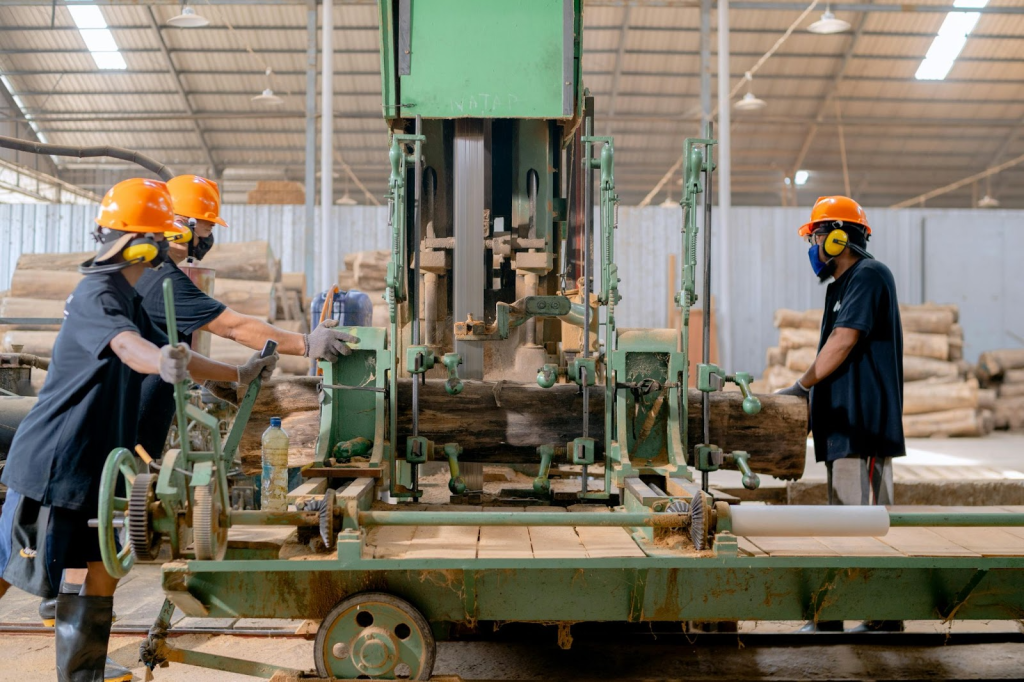
Complete woodworking production lines — from sawmills to dust collection systems — are often sold at auction as package lots.
The Prospects of Woodworking Auctions
The auction market for woodworking machinery is changing quickly. Digital platforms enable worldwide bidding, allowing buyers everywhere to compete for equipment. More frequently, auctions feature combined lots where whole woodworking production lines are sold as a group, presenting complete expansion options.
Trends in sustainability will further increase demand. Repurposing equipment supports corporate responsibility objectives and decreases environmental waste. For woodworking companies, auctions will continue to be a vital tool for economical growth in the future.
Conclusion: Transforming Auctions into Growth Prospects
For woodworking companies, auctions are not only an opportunity to acquire affordable equipment—they serve as a strategic growth asset. By acquiring edgebanders and sawmills to obtaining complete production lines, auctions enable workshops to transform into large-scale manufacturing facilities with little financial burden.
By identifying requirements, evaluating machinery, and bidding wisely, manufacturers can access value that would otherwise stay unattainable. Woodworking machinery auctions offer an ideal mix of cost efficiency, scalability, and sustainability for companies looking to increase capacity, explore new markets, or upgrade production. Visit Greenbidz to explore auction opportunities for woodworking equipment.